BookNoFees
Vacation rentals in Costa Rica.
Two coasts, rainforests, volcanoes and Blue-Zone beaches in one small country.
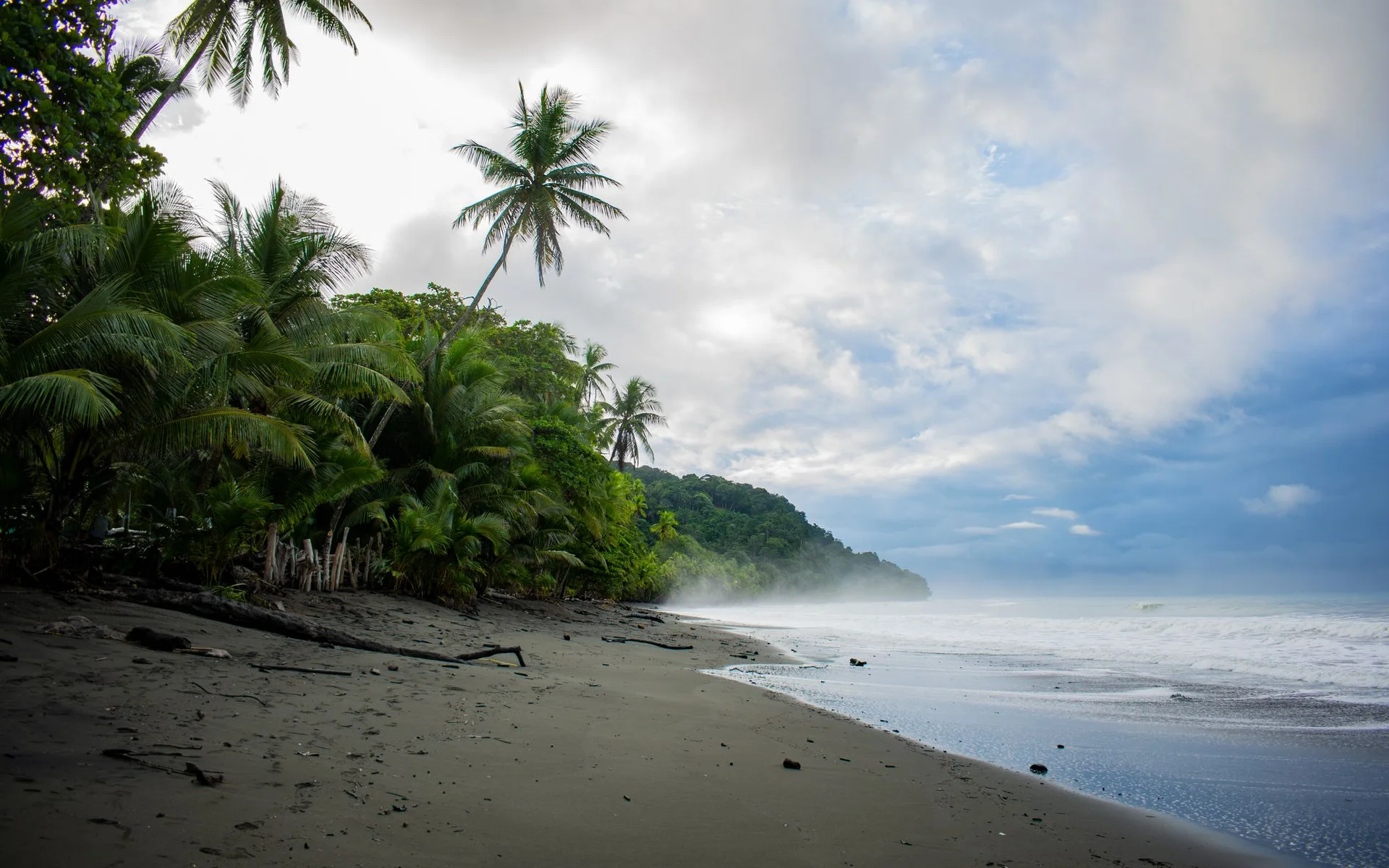

Alejandro Orozco / Pexels
The difference
A host wants ₱71,390. Here’s what it costs.
Hosts pay no booking commission and receive their host amount in full. A guest cost contribution of 6.9% of the host amount is already included in the displayed total. It contributes to payment processing, refund handling and payment loss costs.
Take a simple example: an owner who wants to earn ₱71,390 for a week.
| What each platform takes | Airbnb | Booking.com | BookNoFees |
|---|---|---|---|
| Host booking commission | 15.5% | 15%–25% | 0% |
| Payment processing & protection | included | contract-specific | 6.9% |
| Owner keepson a ₱71,390 listing | ₱60,324 | ₱53,542–₱60,681 | ₱71,390 |
| Guest paysfor ₱71,390 to reach the owner | ₱84,454 | ₱83,954–₱95,162 | ₱76,316 |
Over 18 weeks let, that is more than ₱142,779 a year in this example — money that stays with the guest or reaches the owner.
Rates checked in September 2026. Under its single-fee structure, Airbnb charges most hosts 15.5%; Airbnb says other hosts typically pay between 14% and 16%. Exceptions depend on country and account type. Booking.com sets the commission rate in each accommodation agreement, and visibility programmes may increase it. This worked example uses a possible range of 15% to 25%. If Booking.com facilitates payment, the applicable payment terms and transaction cost are contract-specific. Our 6.9% cost contribution is included in the displayed total and contributes towards Stripe payment fees and refunds. Nothing is added at checkout and nothing is deducted from the owner. Fee models can change, so please check each platform’s current terms. Sources: Airbnb Help Center and Booking.com General Delivery Terms.
Stay here
Available homes in Costa Rica · 1
Just getting started
Join the first hosts in Costa Rica
Costa Rica is just getting started on BookNoFees. List your place now and reach guests before anyone else — free to list, 0% commission, and you keep 100% of your price.
List here for freeWe’re also looking for first hosts in Spain · Italy · Greece.
About Costa Rica
Staying in Costa Rica
Costa Rica packs an astonishing amount into a country you can cross in a day: Pacific surf towns, a wildlife-thick Caribbean coast, cloud forests wrapped in mist, and volcanoes ringed by hot springs. The national ethos is "pura vida" — pure life — and it shows in the unhurried pace of beach villages like Nosara, Santa Teresa and Puerto Viejo. For a holiday rental, that variety is the whole point: base yourself in a Guanacaste beach house for surf and sunsets, a La Fortuna cabin under Arenal volcano, or a Monteverde lodge where quetzals move through the canopy. Wildlife is never far. Manuel Antonio puts monkeys and sloths within a short trail of white-sand coves, while Tortuguero's canals draw nesting sea turtles. Renting a home rather than a hotel room suits the way people actually travel here — longer, slower, often with a group or family, and usually with a rental car for the winding roads.
Good to know
Vacation rentals in Costa Rica: FAQ
When is the best time to visit Costa Rica?
The dry season runs roughly December to April and is the classic choice for beaches and clear skies, especially on the Pacific side. The green (rainy) season, about May to November, brings lush landscapes, thinner crowds and often lower rates, with rain usually falling in afternoon bursts. The Caribbean coast has its own rhythm and can be drier around September and October.
Which area should I base myself in?
It depends on your trip. Guanacaste and the Nicoya Peninsula — Tamarindo, Nosara, Santa Teresa — are the surf-and-sun heartland. La Fortuna suits volcano hikes and hot springs, Monteverde is for cloud forest and canopy walks, Manuel Antonio blends beaches with easy wildlife, and Puerto Viejo offers the laid-back Afro-Caribbean coast. Many travelers combine two or three.
What is "pura vida"?
"Pura vida" (pure life) is Costa Rica's unofficial motto and everyday phrase. Locals use it as a greeting, a thank-you, a goodbye and a general expression of a relaxed, grateful outlook on life. It captures the country's unhurried pace and is a good mindset to pack — things run on their own schedule here, and that is part of the appeal.
What currency is used, and is USD accepted?
The official currency is the Costa Rican colón (CRC). US dollars are widely accepted in tourist areas, and many hotels, tours and larger shops price in dollars. For small local businesses, markets, buses and everyday purchases, colones are handy and often give better value. Cards are common in towns; carry some cash for rural areas.
How does booking direct on BookNoFees work?
You can message the host before booking. For a booking request, Stripe first places a card hold for the full amount; the host has 48 hours to accept, and only then is the amount captured. Instant Book is charged immediately after Stripe confirms payment. Do not transfer the booking amount directly to the host. The displayed total already includes the 6.9% guest fee on the host price, covering payment processing, refund handling and payment risks.
How does payment work on BookNoFees?
You can message the host before booking. For a booking request, Stripe first places a card hold for the full amount; the host has 48 hours to accept, and only then is the amount captured. Instant Book is charged immediately after Stripe confirms payment. Do not transfer the booking amount directly to the host. The displayed total already includes the 6.9% guest fee on the host price, covering payment processing, refund handling and payment risks.
Hosts wanted in Costa Rica
Own a place in Costa Rica? List it free.
Keep 100% of your price — 0% commission, always. Add your place, connect your calendar, go live.
List here for free